Building · 6 min read
Building on your plot: approvals in Kenya
The approvals to line up before the first trench is dug, in the order you will need them, and how to avoid costly delays.
Updated · By the Ellani team
Before you design: check the land
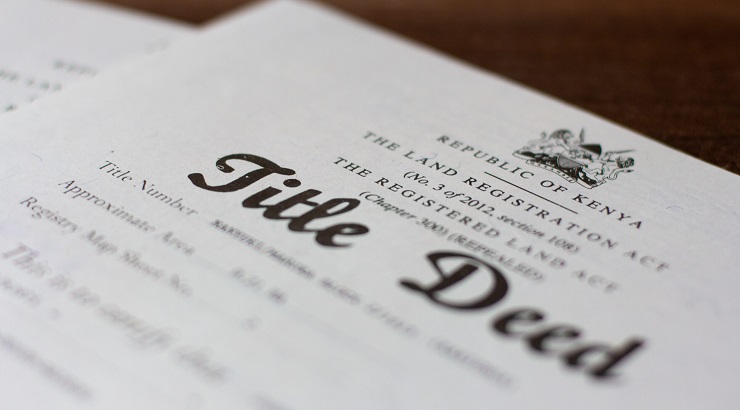
Confirm that the title is in your name, that the land use allows a home, and what the zoning permits: plot coverage, height and building lines. Estates often add their own rules on fencing, materials and boundaries.
County building plan approval
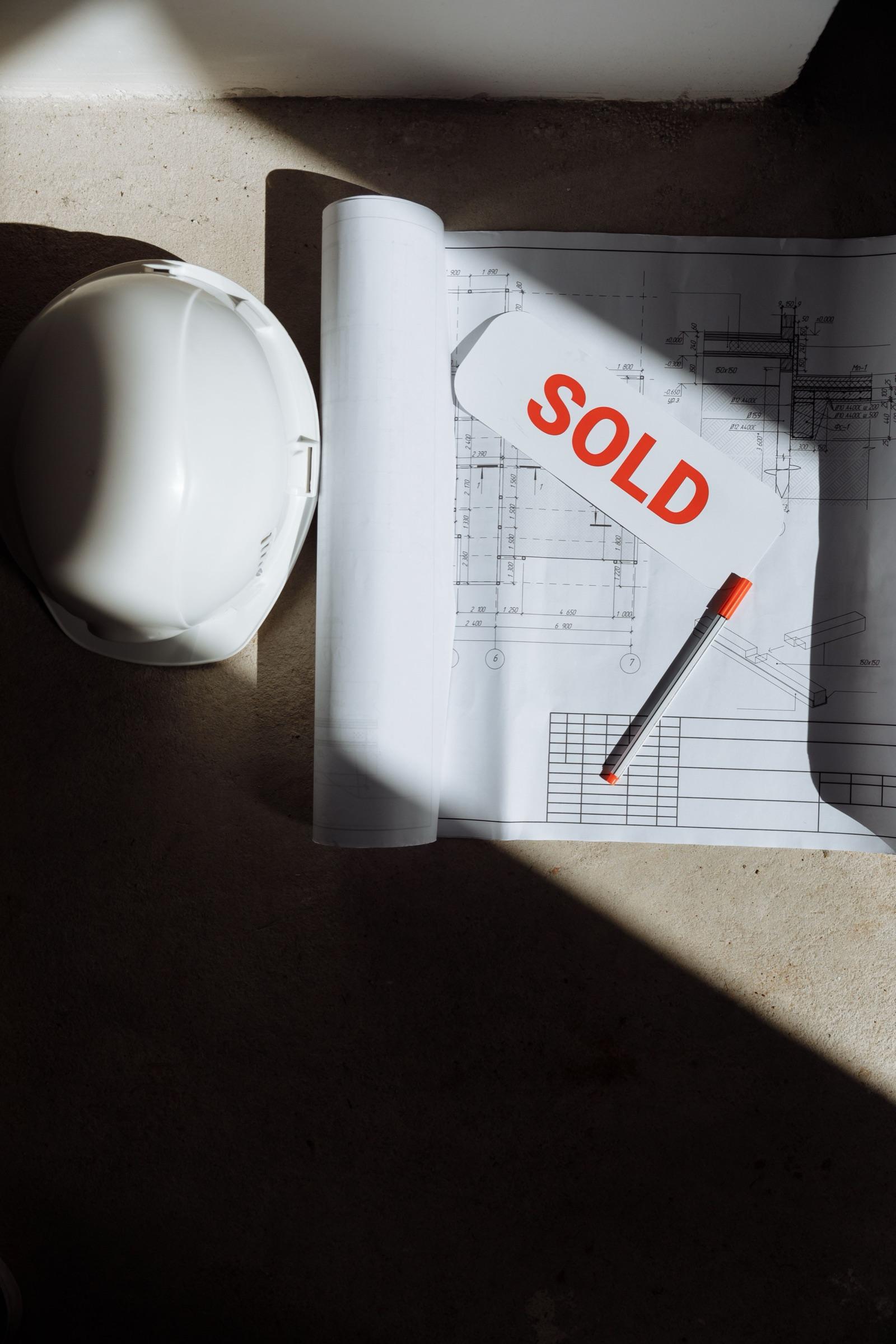
Every building needs approval from the county government. A registered architect and structural engineer prepare the drawings, which the county’s planning, building and public health teams review. Approvals expire if building does not start in time, so check how long yours stays valid in your county.
NEMA and NCA
Projects above certain thresholds, such as apartment blocks, need an environmental impact assessment licence from NEMA (opens in a new tab), prepared by a registered expert.
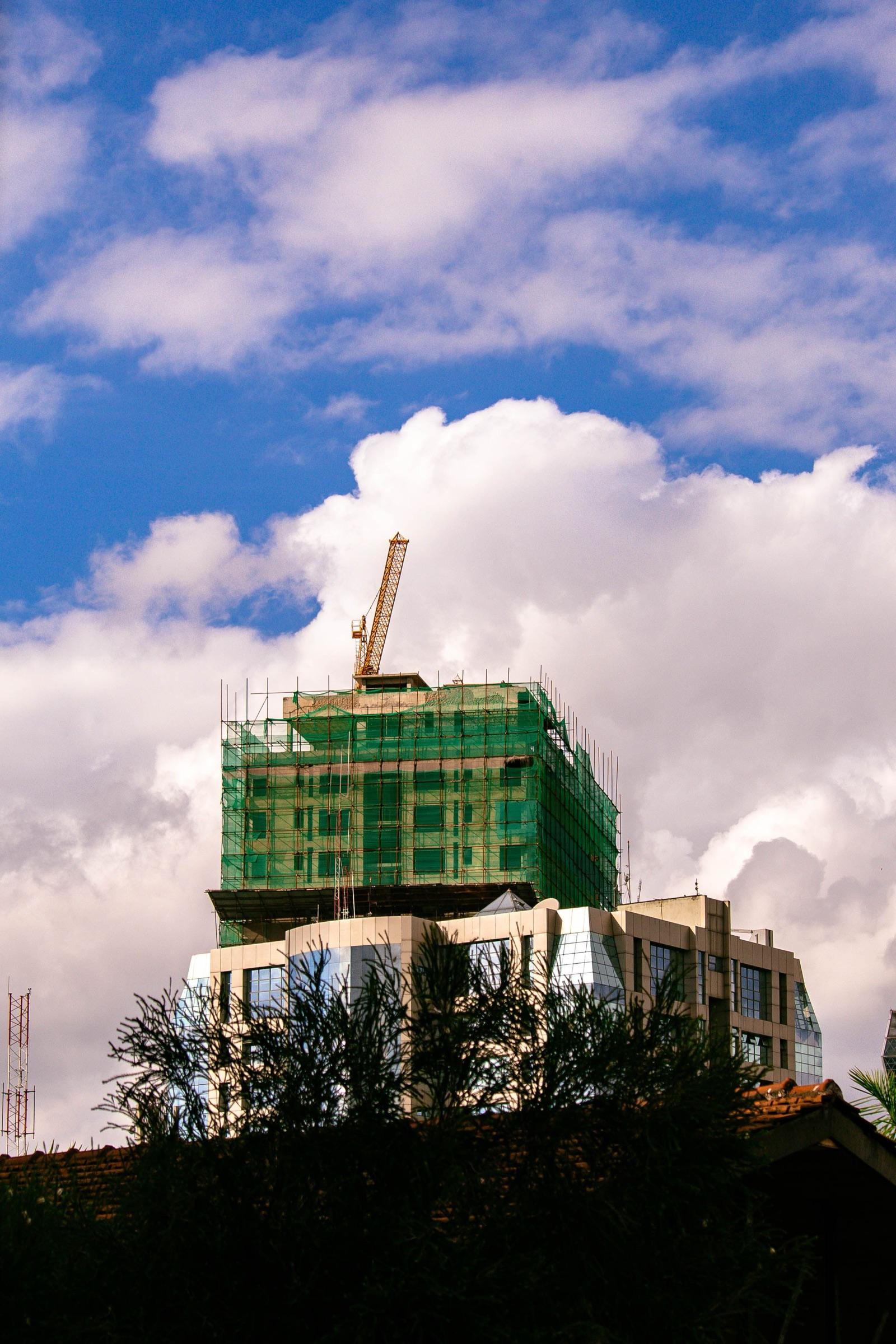
The project is then registered with the National Construction Authority (opens in a new tab) (NCA) using the approved drawings, and built by an NCA-registered contractor. Where the contract value is above KES 5 million, the owner pays a levy of 0.5% of the contract value before work starts.
When you finish
On completion, the county inspects the building and issues an occupation certificate. You need it to move in legally, and buyers and banks will ask for it when you sell or borrow against the house.
Getting it done
Ellani’s services team can take this off your hands: design and approvals, then construction and project management with an inspection at every stage. Building from abroad? See our service for Kenyans abroad.
Questions buyers ask
- Do I need approval to build a house in Kenya?
- Yes. Every building needs county approval of its plans, and the project must be registered with the NCA. Projects above certain thresholds also need a NEMA licence.
- What is an occupation certificate?
- A certificate the county issues after inspecting a finished building, confirming it was built as approved and is safe to live in.
Ready to see it for yourself?
See our servicesGeneral guidance for buyers in Kenya, not legal advice. Fees and procedures change: confirm the figures for your purchase with your advocate.