Due diligence · 7 min read
How to verify a title deed in Kenya
A copy of a title proves nothing on its own. The checks that do: the official search, the survey map, the beacons and the seller’s identity.
Updated · By the Ellani team
Why the title document is not enough
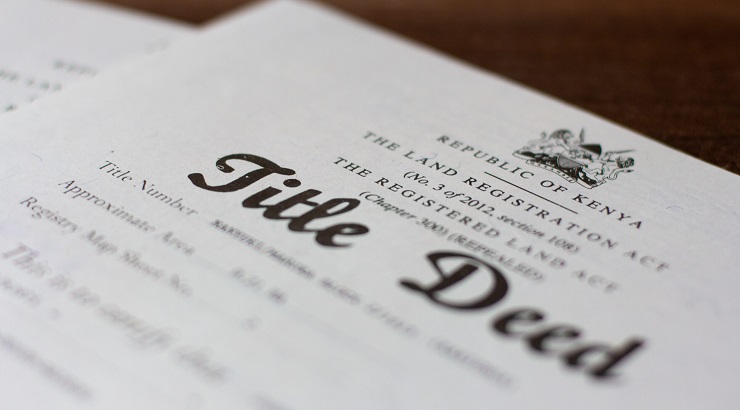
Forged titles exist, and Kenyan courts regularly cancel titles that were issued irregularly, even after money has changed hands. What protects you is checking the land register itself and the history behind the title, not the paper the seller shows you.
Step 1: the official search
Ask the seller for the title number, then request an official search: on Ardhisasa (opens in a new tab) where the registry is onboarded (Nairobi, Murang’a and a growing list of areas), or at the county land registry elsewhere. The fee is small, around KES 1,000 at the time of writing.
Read it line by line. The registered owner must be the seller. The size must match the agreement. Any charge (a bank loan), caution, restriction or inhibition must be explained and cleared before completion.
Step 2: the survey map and the beacons
The search confirms ownership; the survey map confirms what is being sold. Ask for the survey or mutation map, then walk the plot and find the beacons. If they are missing or do not match, a licensed surveyor can re-establish them before you pay.
Step 3: the seller
Ownership is only half the question. The other half is whether the person in front of you can sell it:
- An individual: check their national ID and KRA PIN against the search.
- A company: get a company search (CR12) to see its directors and shareholders, and a board resolution approving the sale.
- Matrimonial property: the spouse must consent to the sale, under the Land Registration Act (opens in a new tab).
- A deceased owner: the land can only be sold by administrators appointed through succession.
Step 4: buying from a developer
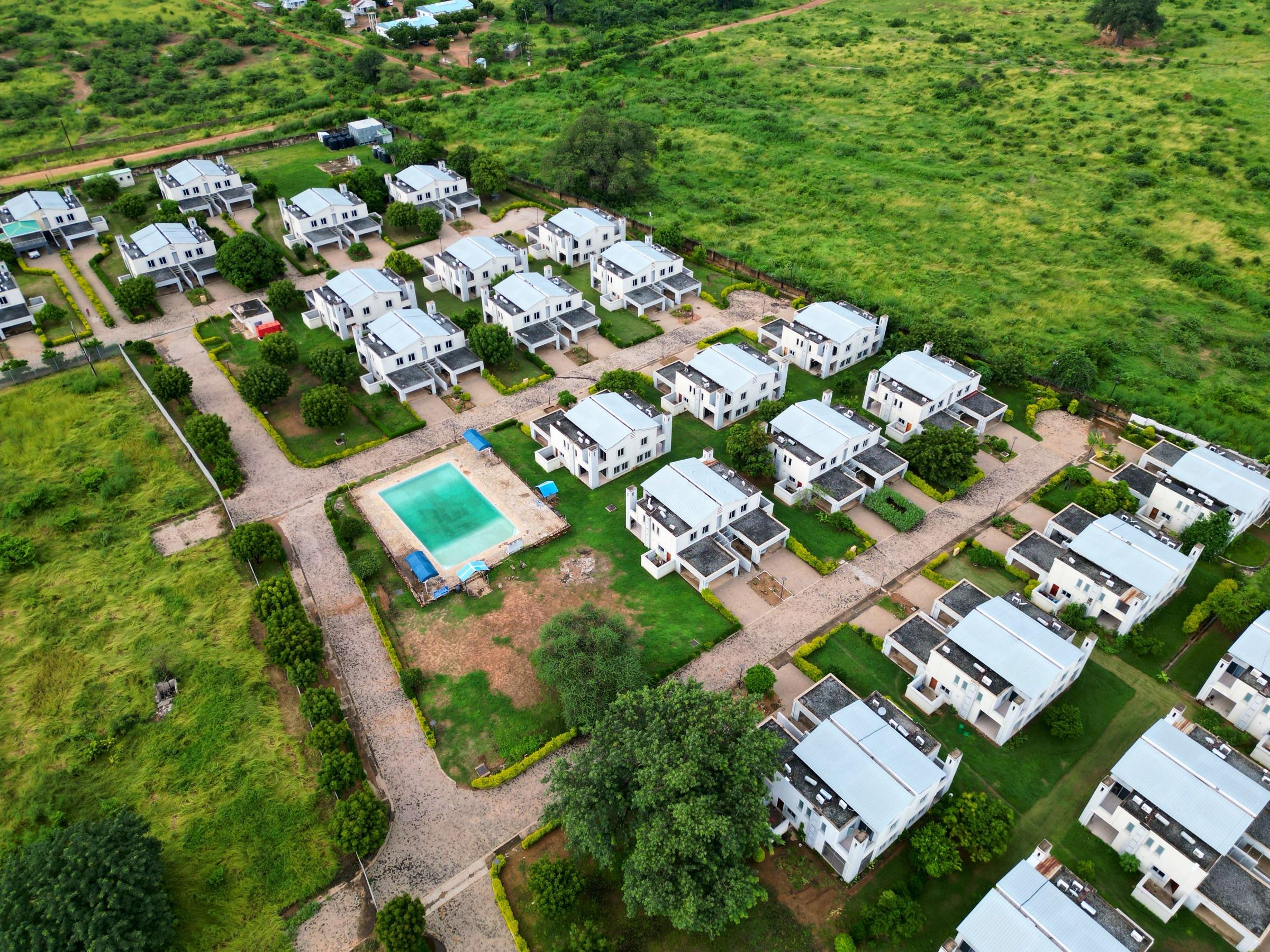
When an estate is subdivided, plots are carved out of one mother title. Ask to see the mother title search, the approved subdivision plan and the status of each individual title: whether it is already issued or still being processed, and when you will receive yours.
Be wary of plots sold on an allotment letter alone, or by a developer who has not finished paying for the land.
Red flags
Walk away, or slow down and get advice, if you see any of these:
- A price well below others in the area.
- Pressure to pay a deposit today.
- Payment requested in cash or to a personal account.
- No site visit, or no access to the original documents.
- Names, ID numbers or sizes that differ between documents.
Questions buyers ask
- How do I check a title deed online in Kenya?
- Request an official search on Ardhisasa if the land sits in an onboarded registry such as Nairobi or Murang’a. Elsewhere the search is done through the county land registry. Your advocate can do it for you.
- How much does a land search cost in Kenya?
- Around KES 1,000 at the time of writing, though older sources quote KES 500. The amount shown at payment is the current fee.
- Is a clean official search enough?
- It is essential but not the whole picture. Also match the seller’s identity, walk the beacons against the survey map, and confirm consents such as spousal or Land Control Board consent.
Ready to see it for yourself?
Book a site visitGeneral guidance for buyers in Kenya, not legal advice. Fees and procedures change: confirm the figures for your purchase with your advocate.