Ownership · 5 min read
Freehold vs leasehold land in Kenya
What the two kinds of title mean for you, why the years left on a lease matter, and what foreigners can own.
Updated · By the Ellani team
Freehold
Freehold is the fullest form of ownership: the land is yours with no end date, and passes to your heirs. It is common for agricultural and rural land.
Leasehold
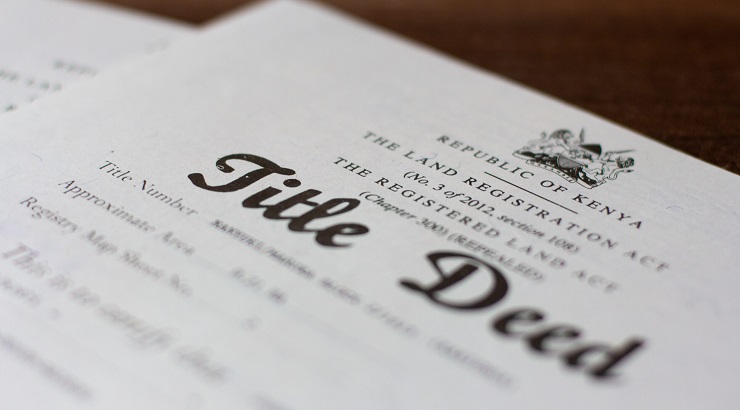
Leasehold gives you the land for a fixed term, commonly 99 years in towns and planned areas, and the title is a certificate of lease. You pay annual land rent, and when the term ends the lease must be renewed.
When buying a leasehold plot, check the start date and the years remaining. A lease with few years left is worth less and can be harder to finance.
Can foreigners own land in Kenya?
Under Article 65 of the Constitution (opens in a new tab), non-citizens can hold land only on leasehold, for up to 99 years. A company counts as non-citizen if any of its shareholders is not Kenyan. Foreign buyers therefore buy a lease, not freehold.
Apartments and sectional titles
Flats and units in a shared building are owned under the Sectional Properties Act 2020 (opens in a new tab): each owner gets an individual certificate of lease for their unit, backed by a sectional plan, and shares the common areas with the other owners. See our guide to buying a home.
Questions buyers ask
- Which is better, freehold or leasehold?
- Freehold has no end date and no land rent, so it is usually preferred. A long leasehold with many years left is still secure ownership; check the years remaining and the rent.
- Can a foreigner buy land in Kenya?
- Only on a lease of up to 99 years, under Article 65 of the Constitution. Freehold is reserved for citizens.
Ready to see it for yourself?
See titled plotsGeneral guidance for buyers in Kenya, not legal advice. Fees and procedures change: confirm the figures for your purchase with your advocate.